
Healthy hair is often seen as a reflection of overall wellness, confidence, and self-care habits. In today’s fast-paced world, achieving consistent shine and strength requires more than occasional treatments—this is where haircare beauty tips and tricks become essential for a long-lasting routine that actually works.
Understanding Your Hair Before Building a Routine
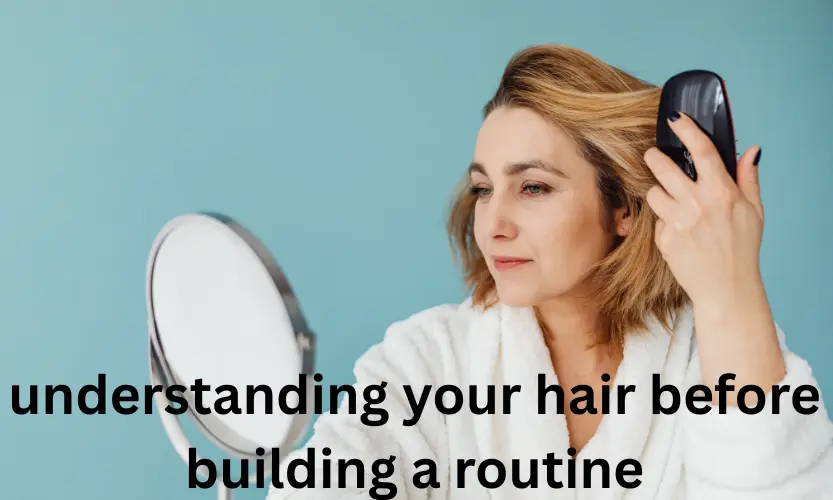
Every strong hair routine begins with awareness. Hair is not just “dry” or “oily”—it has layers of structure, porosity levels, thickness variations, and scalp conditions that influence how it behaves. Some people struggle with frizz even after conditioning, while others experience flatness despite using volumizing products. These differences come from how your hair interacts with moisture and products.
Hair Types and What They Really Need
Straight, wavy, curly, and coily hair all respond differently to care routines. Straight hair tends to become oily faster because natural oils travel easily from scalp to ends. Wavy hair often sits between dryness and oiliness, requiring balance. Curly and coily hair types naturally struggle to retain moisture, making hydration a top priority. Understanding your hair type allows you to stop guessing and start targeting real needs instead of following generic advice.
Scalp Health: The Hidden Foundation
Healthy hair starts at the scalp, not the ends. A clogged or irritated scalp can slow growth, increase shedding, and weaken roots. Regular cleansing, gentle exfoliation, and proper oil balance help maintain a healthy environment for growth. Think of the scalp as soil—if it’s unhealthy, the hair cannot thrive.
Daily Habits That Transform Hair Health
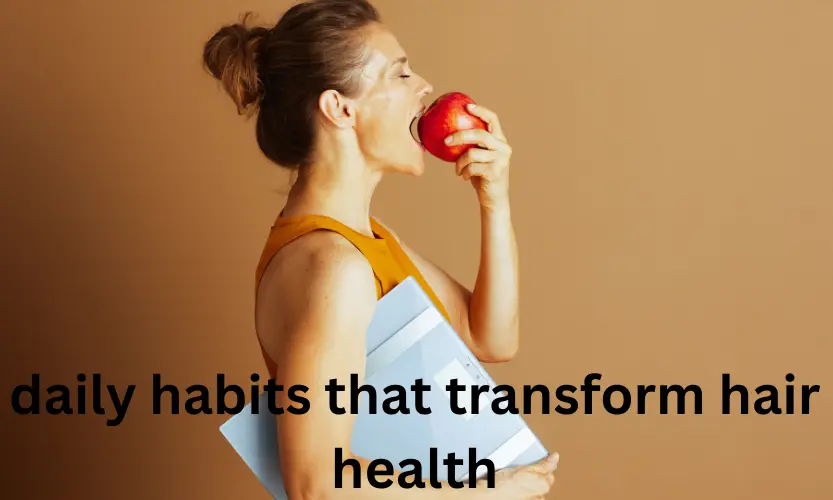
Small daily habits often make a bigger difference than expensive treatments. Consistency matters more than complexity, and even simple adjustments can completely change hair texture over time.
Gentle Washing Instead of Harsh Cleansing
Overwashing strips natural oils, leaving hair dry and brittle, while under-washing leads to buildup and dullness. A balanced approach works best. Lukewarm water, sulfate-free shampoos, and light scalp massage techniques help clean without damage.
Conditioning the Right Way
Conditioner is often misused. Many people apply it to the scalp, which can cause greasiness and buildup. Instead, focus on mid-lengths and ends where hair is older and more fragile. Leaving it for a few minutes allows better absorption and softness.
Drying Without Damage
Rough towel drying creates friction that leads to breakage and frizz. A gentler approach—pressing with a microfiber towel or soft T-shirt—helps maintain smooth strands. Air drying whenever possible reduces heat stress and keeps hair healthier long term.
Natural Ingredients That Actually Work
Nature has always played a powerful role in hair nourishment. Many traditional remedies remain popular because they deliver visible, consistent results when used correctly.
Coconut Oil for Deep Nourishment
Coconut oil penetrates the hair shaft and reduces protein loss. It works especially well for dry or chemically treated hair, restoring softness and shine with regular use.
Aloe Vera for Scalp Balance
Aloe vera helps calm irritation, reduce dandruff, and maintain hydration levels on the scalp. It also creates a healthier environment for stronger growth.
Onion Juice for Growth Support
Despite its strong smell, onion juice is often used for improving scalp circulation. Better circulation can support stronger and more active hair growth over time.
Heat Styling and Its Hidden Impact
Heat tools can transform your look instantly, but frequent use weakens hair structure in the long run.
Why Heat Causes Damage
High temperatures break down keratin bonds inside the hair. This leads to dryness, split ends, and reduced elasticity over time. The more frequently heat is used, the more the damage accumulates.
Smart Heat Protection Practices
Heat protectant sprays form a protective barrier between hair and styling tools. Lowering temperature settings and limiting usage to occasional styling helps preserve natural strength.
Common Hair Mistakes That Slow Progress
Even with good intentions, certain habits can delay healthy results.
Over-Brushing and Breakage
Brushing too often creates unnecessary stress, especially when hair is wet. Wet strands are more fragile and stretch easily, leading to breakage. A wide-tooth comb is a safer choice.
Ignoring Regular Trims
Split ends don’t stay in one place—they travel upward and damage more hair. Trimming every 6–8 weeks helps maintain structure and prevents further breakage.
Using Too Many Products
Layering too many products can cause buildup and dullness. A simple, consistent routine often delivers better results than a complicated one.
Building a Smart Weekly Haircare Routine
A structured weekly routine keeps hair balanced and healthy without overwhelming it.
Oil Treatments for Strength
Oiling once or twice a week nourishes the scalp and strengthens roots. Gentle massage improves blood flow, which supports healthier growth.
Deep Conditioning Sessions
A weekly deep conditioning mask restores moisture, repairs damage, and improves elasticity. It’s especially important for dry or heat-exposed hair.
Clarifying When Needed
Clarifying shampoo removes buildup from products, pollution, and hard water. This resets the scalp and allows treatments to work more effectively.
Seasonal Haircare Adjustments
Hair needs change with the weather, and routines should adapt accordingly.
Summer Stress
Heat, sweat, and UV exposure can dry out hair. Lightweight oils and protective hairstyles help reduce damage during hot months.
Winter Dryness
Cold air and indoor heating strip moisture quickly. Rich conditioners and more frequent oiling help maintain hydration in winter.
Diet and Lifestyle Influence on Hair Health
Healthy hair starts from within, not just external care.
Protein for Strong Structure
Hair is made of keratin, a protein. Foods like eggs, fish, nuts, and lentils support stronger and healthier strands.
Hydration for Elasticity
Water intake directly affects scalp moisture and hair flexibility. Dehydration often leads to dryness and brittleness.
Stress and Hair Fall
High stress levels can disrupt growth cycles and increase shedding. Better sleep, relaxation, and balanced routines support healthier hair over time.
Styling Without Sacrificing Hair Health
Good styling does not have to damage hair if done correctly.
Protective Hairstyles
Loose braids and buns reduce friction and environmental exposure, helping maintain strength.
Gentle Accessories
Soft fabric ties are better than tight elastics that pull and weaken roots over time.
You may also like these
Must-Try Stylish Footwear Fashion Ideas for a Stunning Look
Must-Know Best Accessories for Outfits for a Stunning Look
Must-Know Women Footwear Style Trends That Will Instantly Boost Your Confidence
Must-Know Trendy Handbags and Jewelry Guide Secrets for a Stunning Style Transformation
Powerful Fashion Accessories Styling Ideas That Instantly Elevate Your Look
Long-Term Hair Growth Strategy
Healthy hair is built gradually through consistent habits rather than quick fixes.
Patience and Routine Consistency
Real results appear over weeks and months, not overnight. Consistency is the most important factor in any haircare journey.
Observing Changes Over Time
Noticing improvements in shine, texture, and reduced breakage helps refine your routine and improve results.
Conclusion
Strong and beautiful hair is the result of daily care, mindful habits, and long-term consistency rather than isolated treatments. When routines are simple, balanced, and adapted to your hair’s needs, the results become more visible and sustainable over time.
Every choice matters—from washing techniques to diet and styling habits—and together they shape the overall health of your hair. Building a routine that respects your hair’s natural structure is the key to lasting transformation.
In the end, embracing haircare beauty tips and tricks is about creating a lifestyle where your hair is consistently nourished, protected, and supported in the most natural way possible.
FAQs
What are the best haircare beauty tips and tricks for beginners?
Start with a simple routine: gentle shampooing, regular conditioning, and avoiding excessive heat styling to maintain healthy hair.
How often should I wash my hair for healthy growth?
It depends on your hair type, but generally 2–3 times a week helps maintain natural oils and supports healthy growth.
Can natural oils improve hair health?
Yes, oils like coconut, argan, and castor oil help nourish the scalp, reduce dryness, and improve shine and strength.
Do haircare beauty tips and tricks really prevent hair damage?
Consistent care routines can significantly reduce damage caused by heat, pollution, and chemical treatments.
What is the most important step in a haircare routine?
Scalp care is crucial—it directly affects hair growth, strength, and overall hair health.